05 — PRACTICAL PREPARATION
Plan for the road you may get.
A Nordic motorcycle trip can combine long regional links, narrow scenic roads, ferries, tunnels and remote stretches. The plan should reflect those differences. Begin with the purpose of the ride, then choose road types and overnight points that suit the time available. Keep a shorter alternative for each day. A flexible plan is more useful than a detailed schedule that depends on every connection running exactly as expected.
Set a realistic daily distance
Daily mileage depends on road type, weather, traffic, breaks and the rider. A kilometre on a narrow coastal road does not take the same time as a kilometre on a major route. Use a mapping estimate as a starting point, then add time for fuel, meals, safe viewpoints, ferry queues and unexpected delays. Avoid planning to use every hour of daylight.
Divide a longer trip into stages with practical stopping points. Mark an early stop and a later fallback, and make sure both fit the route. If a day begins late or conditions deteriorate, shorten it. Do not compensate for a missed target by riding faster or taking risks with fatigue.
Fuel and service gaps
Review fuel options along the route before entering a remote section. Availability and opening hours vary. Confirm the current status of any fuel stop you depend on and refuel earlier when practical. Know your motorcycle’s usable range under the load and conditions of the trip; do not assume a published range will match real riding.
Include food, water and rest points in the plan. A service location on a map is not a guarantee that it will be open or accessible. Carry basic supplies suited to the day, and identify an alternative if a planned stop is unavailable.
Weather, clothing and seasonal timing
Check reliable local forecasts for each region and altitude on the route. Wind, rain, temperature and visibility can differ between coast, inland areas and high ground. Recheck conditions at safe stops. Forecasts are not guarantees, so set a decision point at which you will change route, wait or stop for the day.
Use protective riding equipment appropriate to the conditions, including layers that can be adjusted without compromising safety. Prepare for cold rain, changing light and wet roads. Check the forecast in advance of travel, but do not treat a calendar month as confirmation of road conditions. High routes may have seasonal access limits, and shoulder seasons can bring shorter days or unsettled weather. Verify current local access and road information close to departure.
Ferries, accommodation and documents
Check ferry schedules, booking requirements, vehicle rules and disruption information directly with the relevant operator. These details change and are not live on this guide. Add a buffer before important connections. Keep a road alternative or an overnight option available if a sailing is delayed or unavailable. Do not rely on a tight transfer to recover time.
Confirm accommodation arrangements directly with the provider. Check arrival windows, cancellation terms and route access. Availability and prices change; no current rates are stated here. Carry the documents required for your journey and motorcycle, based on the countries and borders on your itinerary. Review official government and transport sources for current entry and road-use requirements.
Navigation and emergency preparation
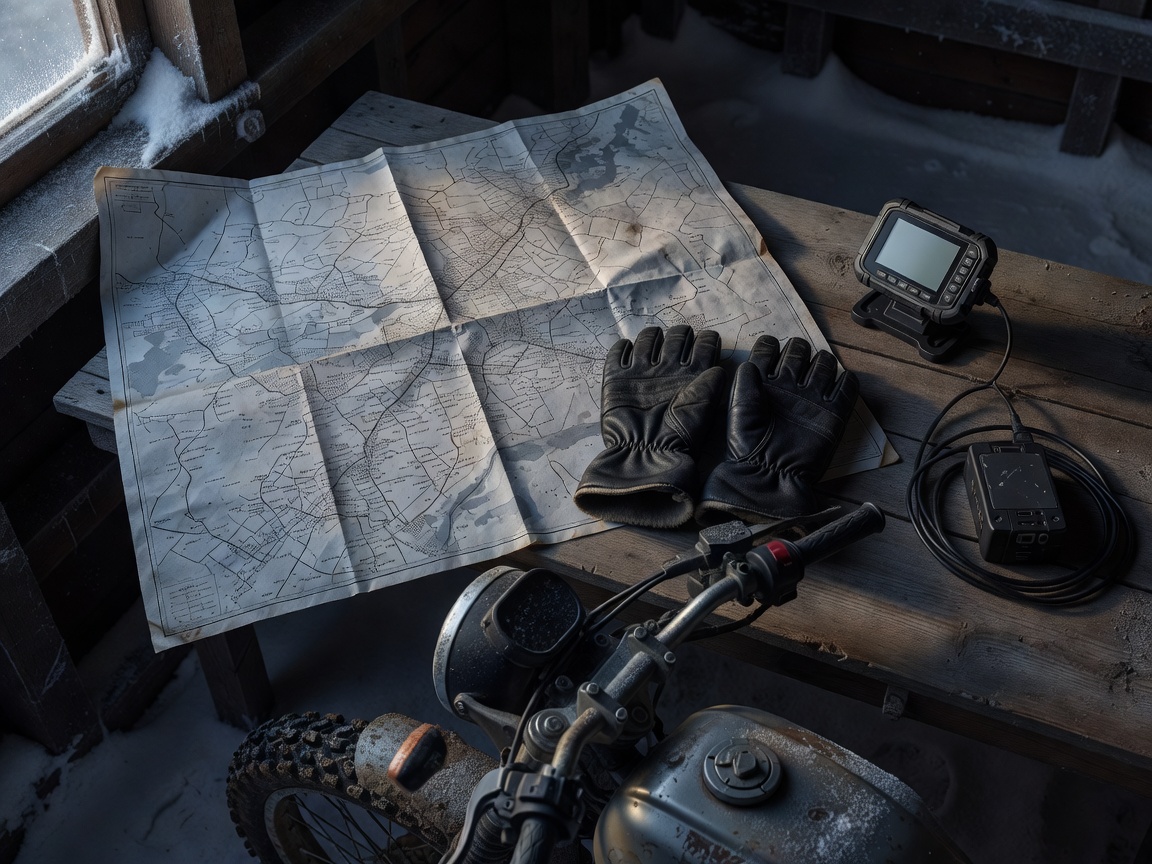
Download offline maps for areas where coverage may be weak. Plan a primary route and a practical backup. A navigation device can choose an unsuitable road or route you onto a restricted link, so review the route before riding. Stop safely before making changes. Keep the device powered and carry a secondary navigation option where appropriate.
Prepare a simple check-in plan for remote travel. Share your route and expected stops with someone you trust, then update them when the plan changes. Carry a charged phone and know local emergency contact guidance for the places you visit. Do not assume mobile coverage is available everywhere. For mechanical support, identify options before leaving major service areas and keep essential motorcycle documents accessible.
Rest, attention and safe decisions
Schedule breaks before you feel depleted. Wind, cold, rain and repetitive roads can increase fatigue. Stop only in a safe, legal place. If attention, grip or visibility is compromised, pause, reroute or end the day. Respect local speed limits, traffic rules and road restrictions. Allow extra space for other road users and watch for wildlife, especially where sight lines are limited.
Good for
- First-time Nordic trips that need a clear order of decisions.
- Multi-day itineraries with ferries, remote links or varied terrain.
- Riders who want a flexible plan with meaningful safety margins.
What to know
- Daily distance should reflect road type, stops and weather, not a fixed target.
- Verify schedules, access, documents and accommodation with current sources.
- Carry layers, offline navigation and a safe alternative for each stage.