04 — PLACES THAT FIT THE RIDE
Pick the road, then pick the stop.
A riding destination can be a viewpoint, a lakeside town, a ferry-connected area, a mountain approach or a quiet overnight base. The best choice is not necessarily the most remote or visually dramatic. It is a place that works with the available road network, daylight, weather and the rider’s energy. Build the destination around the ride rather than treating it as a pin at the end of an ambitious line.
Start with the type of day you want. A loop from a single base reduces luggage handling and gives more flexibility if conditions change. A point-to-point stage can cover new ground but requires a dependable overnight plan and a route that remains manageable if a connection is delayed. Compare both formats before booking or setting a departure time.
Use scenic stops safely
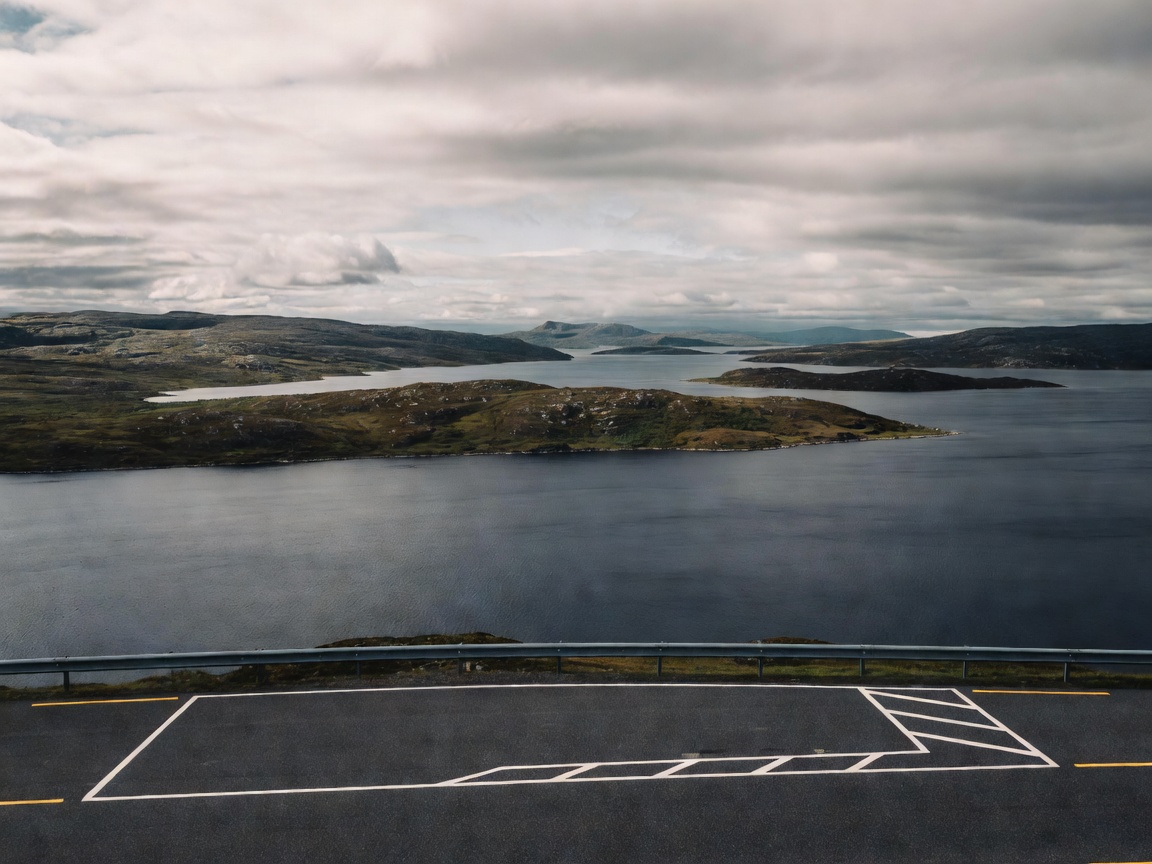
Viewpoints and roadside stops vary in size and access. Some have marked parking; others have little room beside the road. Use designated areas and follow posted signs. Do not stop on a blind curve, narrow shoulder, bridge, tunnel approach or private access. If a safe stopping place is full, continue to the next suitable option instead of waiting in a live lane.
Allow time to park, secure the motorcycle and return to the road safely. A stop may take longer than the map estimate suggests, especially when walking access or local traffic is involved. Keep equipment and belongings secure, and respect the site and other visitors. Do not block access for residents, emergency vehicles or local work.
Overnight planning
Choose overnight locations by arrival time, road access and practical facilities rather than by a map pin alone. Confirm accommodation details directly with the provider before relying on them. Availability, terms and opening periods change; this guide does not list live vacancies or prices. If travelling in a busy period, identify a backup that does not require a long late-day detour.
For a multi-day route, consider where you can stop if the first day runs short. A flexible overnight plan reduces pressure to continue when fatigue or weather makes riding less suitable. Check whether the final approach includes unpaved roads, access restrictions or a ferry connection. Keep an offline copy of the address and route details.
Regional exploration and road links
Look at destinations as part of a region. A base near a junction of different road types may offer a choice between coast, forest, lakes or higher ground. That choice is useful when forecasts differ across the area. Check route continuity, fuel, food and rest options before planning a loop. Do not assume a scenic road or visitor facility is open because it appears in an older guide.
Use current local information to confirm access, parking rules and any restrictions. Roadworks, seasonal closures, local traffic arrangements and weather can change the best approach. If a destination requires a ferry or a remote road, verify those details independently and retain an alternate plan.
Compare destination styles
A coastal destination can add crossings and wind exposure. A highland base can offer elevation and broad views but may be more sensitive to weather or seasonal access. An inland lake area may support calmer regional loops but require more attention to fuel gaps and wildlife. The right choice depends on the day’s purpose and conditions, not a universal ranking.
Consider four practical criteria: how much riding the destination adds, whether the approach suits your experience, what safe stops exist, and how easy it is to change the plan. Also consider passenger comfort, luggage, daylight and recovery time. A destination that leaves margin for a calm return is often more useful than one that fills every available hour.
Rest stops as part of the route
Plan regular pauses before fatigue sets in. Use service areas, settlements and signed stopping places where appropriate. Check access and opening information for any facility you depend on. Keep water and basic supplies available, but do not rely on a remote stop for essential needs. If attention drops, take a proper break or end the riding day.
Good for
- Riders building a day ride around one base or a scenic stop.
- Multi-day plans that need sensible overnight stages.
- Groups comparing coast, highland and inland route options.
What to know
- Confirm current access, parking and accommodation details independently.
- Choose legal, visible stopping places with enough room to rejoin traffic.
- Use a destination plan with a shorter alternative and a safe return.